News·

From West Auckland to a $2.1M Raise: The GingerControl Story

GingerControl raises $2.1M led by Backed VC to build AI infrastructure for global trade compliance. The story of two friends from West Auckland.

Chen Cui
Chen Cui10 min read

Co-Founder of GingerControl, Building scalable AI and automated workflows for trade compliance teams.

Connect with me on LinkedIn! I want to help you :)
From West Auckland to a $2.1M Raise: The GingerControl Story

From West Auckland to a $2.1M Raise: The GingerControl Story

Today we're announcing GingerControl's $2.1M pre-seed round, led by Backed VC.

We're building the AI and automation infrastructure for global trade compliance. The layer the industry has needed for thirty years and has never had. This is the story of how we got here. It starts in a corner of the world most people in this industry have never been to, with two kids who couldn't afford lunch.

Two kids, one suburb, no money

Sean and I met in middle school in West Auckland, New Zealand. If you've never been, picture the part of a city that doesn't show up on the postcards. We grew up there. We've been friends since we were twelve.

chen-sean-childhood-west-auckland.png

We were poor. Not the kind of poor people use as a rhetorical flourish on LinkedIn. The kind where you learn early that food is a thing you work for, not a thing that shows up.

My family ran a small import/export business. That's how we ate. Before school I'd be helping load shipments. After school I'd be back in the office sorting paperwork. Through high school. Through the start of university. The business was the reason there was dinner on the table, and that meant the business was everyone's job, including the kids'.

I didn't know it at the time, but I was getting an education that no MBA program teaches. I was watching, up close, what global trade actually looks like at the small business level. Not the McKinsey deck version. The real one. Customs forms at midnight. Classification arguments with brokers. Holds at the port that nobody could explain. The constant, grinding fear that one wrong code on one wrong line item could wipe out a month's margin.

The business that didn't survive

Then COVID hit.

The business didn't make it through, and the reason it didn't make it through is the same reason GingerControl exists today. Container costs went sideways. Lead times stretched from weeks to months. But the thing that actually broke us was compliance. Classification rulings on product lines we'd been importing for over a decade started getting questioned at the port. A misclassification on one SKU triggered a hold that tied up working capital we didn't have. By the time we'd paid the broker fees, the demurrage, and the back duties on the reclassification, the margin on that shipment was gone and so was the next one. We didn't have a full-time compliance person. We couldn't afford a trade attorney on retainer. We were a small importer trying to navigate a system that had quietly become impossible for anyone our size.

The rules hadn't changed overnight. The complexity had compounded for years and we'd been absorbing it the way every small importer does, by working harder. COVID didn't kill the business. It just removed the slack that had been hiding the fact that the compliance environment had already moved out of reach.

I watched my parents close the business they'd built our whole life around.

That feeling stayed with me. Not as a wound. As a question. Why does it have to be this hard for the people who actually move the world's goods?

The detour through biotech and tech

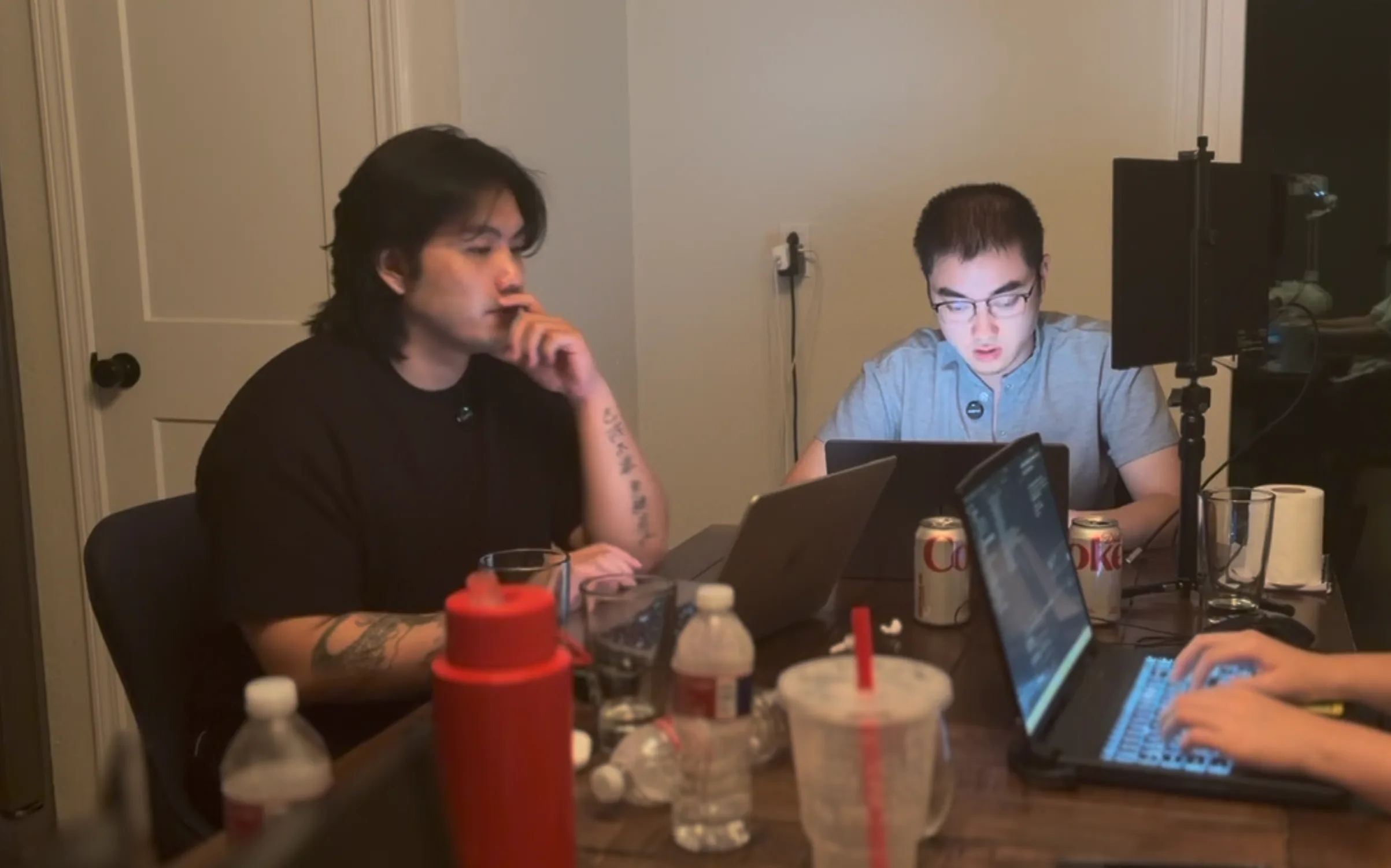
chen-cui-working.png

I didn't start a company right away. After graduating I went into biotech and clinical research, where I spent more time than I expected staring at procurement and operations data. What I saw was the same problem I'd grown up around, just at a different scale. Global trade was a hidden tax on every line of every budget. Pricing decisions, sourcing decisions, lead time decisions, all of them traced back to a compliance system nobody seemed to actually understand end to end.

I became convinced that the only way out, for any company, was digital transformation. Not the buzzword version. The real one. Software that actually thinks about your problem instead of giving you another data entry form.

So I took a job at a data analytics and BI company in New Zealand. Day job by day. Self-taught engineer by night. Reading papers on transformer models the year they came out. Building things on weekends. Learning how AI was about to change which problems were solvable.

Sean was on his own track in parallel. We never lost touch.

The conversation that started the company

A couple of years ago, tariffs in North America entered a regime nobody had seen before. Section 301 expansions. Stacking duties. New exclusions, expired exclusions, country-of-origin scrutiny that hadn't existed at that intensity in our lifetimes.

We were catching up with a friend who's still in import/export. He was venting about his tariff bill. Sean and I started asking questions. Then we asked the same questions to someone else. Then someone else.

We ended up talking to roughly 200 people across every layer of the supply chain. Importers. Customs brokers. Compliance managers at mid-market manufacturers. Trade attorneys. Former CBP officers. Freight forwarders. Procurement leaders.

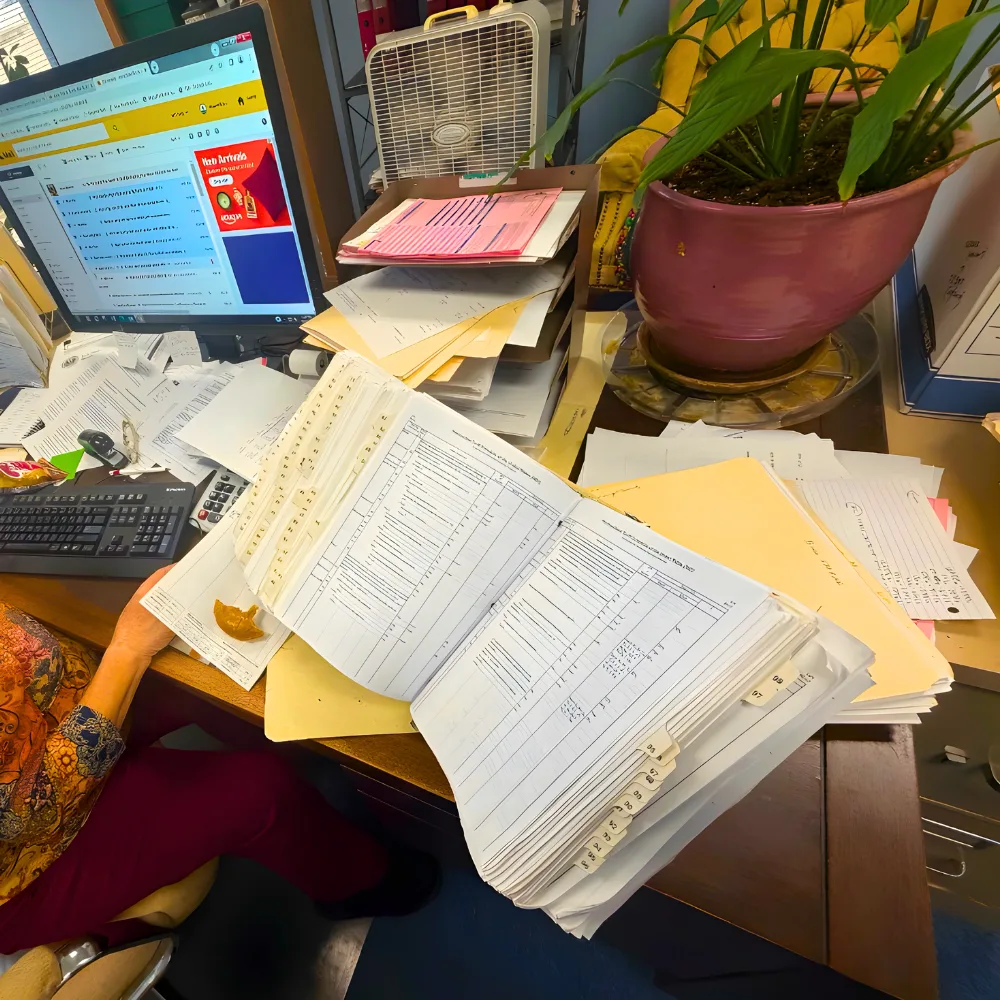
customs-broker-desk-paperwork.png

Three things came up in almost every conversation, and once we saw them together we couldn't unsee them.

First, classification was eating compliance teams alive. People we talked to were spending 20 to 40 percent of their week researching HTS codes, reading CROSS rulings, and arguing with brokers about essential character. The existing tools on the market were keyword search with a search bar redesigned every five years. None of them did legal reasoning. None of them could explain why a code was right. The work that mattered, the work that determined whether a shipment cleared or got flagged, was still being done by humans copying text between PDFs and Excel.

Second, tariff stacking had broken the spreadsheets. With Section 301 expansions, Section 232 layered on top, MFN underneath, and a moving target of exclusions and country of origin nuance, the calculation that used to be one number was now five numbers that interacted with each other and changed every quarter. People were getting it wrong. Not because they were careless, but because the math had outgrown the tools.

Third, and this is the one that mattered most, every compliance leader we spoke to told us the same thing in different words: the expertise that protects a company from a seven figure mistake lives in two or three people's heads, and those people are retiring. The next generation isn't being trained the same way. The institutional knowledge of how to actually do this work is leaking out of the industry, and software has done nothing to capture it.

That was the insight. Not "compliance is hard." The insight was that the legal reasoning brokers and trade attorneys charge hundreds of dollars an hour for had never been encoded into software, AI was finally good enough to do that encoding, and the window to build the infrastructure layer for this industry was open right now and would not stay open long.

That insight became GingerControl.

What we're building

GingerControl is the AI and automation infrastructure for global trade compliance. The layer that sits underneath the work compliance teams, customs brokers, and trade attorneys do every day, and makes that work faster, more accurate, and more defensible.

We started with HTS classification and tariff stacking. Not because those are the only problems worth solving, but because they're the two that eat the most time in a compliance team's week. Every conversation we had pointed at the same thing. Classification was a manual research slog with tools that did keyword matching and called it AI. Tariff stacking, with MFN plus Section 301 plus 232 plus exclusions plus country of origin logic, had become a spreadsheet exercise that fell apart the moment the rules changed. Which they do, constantly.

So we went after those first.

Our classification engine isn't text matching. It isn't keyword lookup with a chatbot wrapper. We built a proprietary GRI legal reasoning engine that does essential character analysis the way a trained classifier does, working through Carborundum factors, narrowing candidates iteratively, asking clarifying questions when it needs them. It reasons. That's the bar.

From there we've expanded across the stack. Tariff calculation across MFN, Section 301, Section 232, and exclusion logic. Tariff briefings. Export controls including ECCN, ITAR, restricted party screening, and license screening. A live AI compliance hub. An API. Custom builds for teams that need something specific.

Long term, we're building toward something larger: a Global Trade Management AI agent. Not another data entry UI. An autonomous compliance employee that works alongside the broker, the GTM, and the in-house team. Platform plus agent, on one coherent surface.

None of this gets built without the team putting it together. A specific shoutout to Tiffany, our Product Manager and a longtime friend, who has been in the trenches with us shaping every part of how this product actually works for the people using it. The product is sharper because she is on it.

Why now

The compliance industry has been running on the same software architecture since the 1990s. Customs brokers and global trade management vendors have done extraordinary work for decades, and we're not here to replace them. We're here to give them, and the companies they serve, the AI layer they've never had.

The reason this is possible now is the same reason every other industry is being rewritten right now. The underlying models are good enough to do legal reasoning, not just retrieval. The companies that build the infrastructure layer for verticals like ours, in this window, will be the ones that define how the next decade of global trade gets run.

We're going after that.

The raise

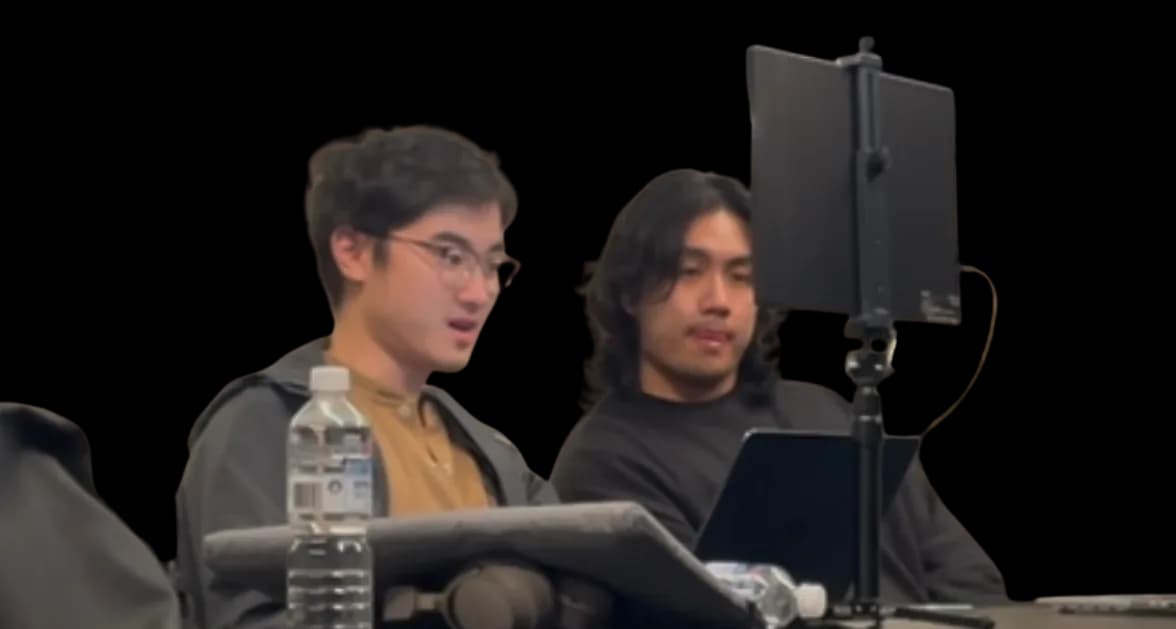
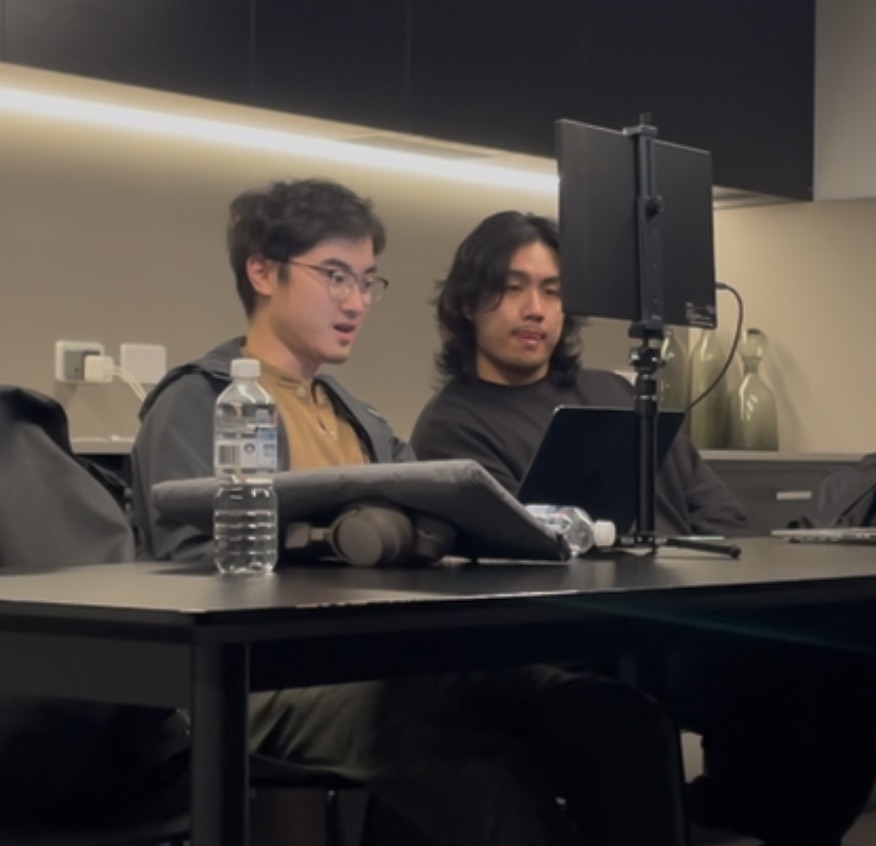
chen-sean-virtual-call.jpeg

$2.1M, led by Backed VC. The capital goes into the team, the platform, and getting our first customers to a place where they never have to think about classification or tariff stacking the same way again.

We're hiring engineers, compliance experts, and design partners. If you're a customs broker, a compliance manager, or a trade attorney who has felt the pain we're talking about, we want to hear from you. If you're an engineer who wants to work on AI that does real legal reasoning instead of generating marketing copy, we especially want to hear from you.

A note to anyone reading this from a place that isn't supposed to produce companies like ours

We're aware that the standard path for a venture-backed AI infrastructure company doesn't usually start in West Auckland. It doesn't usually involve a family business that closed because the compliance system was too complicated for a small importer to survive. It doesn't usually involve two kids who learned global trade by lifting boxes before school.

We think that's the point.

The people we're building for are not the people who have full-time compliance teams and seven-figure software budgets. They're the importers and manufacturers and brokers who are trying to do the right thing in a system that has been making it harder, not easier, for thirty years. We know what that looks like from the inside. That's not a marketing angle. That's where we're from.

Thank you to Backed VC for seeing it. Thank you to the 200 people who picked up the phone. Thank you to everyone who's bet on us so far.

We've got work to do.

Chen Cui Cofounder and CEO, GingerControl

We use cookies to understand how visitors interact with our site. No personal data is shared with advertisers.